
Father’s Day and the Father Wound


Prologue: For the One Still Hoping to Be Seen
This isn’t anti-Father’s Day.
It’s pro-humanity.
It’s for every adult child whose first heartbreak wasn’t romantic, but paternal. For those who sat by the window, waiting for a father who didn’t come. Or worse, who did come—and still made you feel invisible.
This is for the ones who learned early that "manhood" doesn’t always mean protection. That presence without tenderness still wounds. And absence without explanation leaves a silence that screams.
If Father’s Day brings a lump in your throat instead of joy in your chest, this is your space. If you'd rather get the day over with, or not have to remember it at all, this is where you may find others who feel the same. If it's a foreign concept to celebrate a role that was never present in your life, you can rest knowing that you are not alone.
You don’t have to pretend. You don’t have to perform. You don’t have to hold shame because you don’t share an experience that society says “should” be the standard. You only have to breathe—and let your truth rise.
What if your father was your violator, your betrayer?
We name this too.
I have worked in a world—Child Protective Services—where I have seen the absolute worst of parent-child abuse. This is a space where we do not pretend these things don't happen. We don't silence or sanitize the truth.
Is it every parent-child relationship? No. But we hold space for the entire spectrum of experience—whether good, bad, or somewhere in between.
I’ve also witnessed stories of tenderness, boundary-honoring, and transformative presence—of fathers who show up again and again. I’ve witnessed patient fathers. Nurturing fathers. Protective fathers. If your story is one of joy, safety, and celebration, we hold that sacred, too.
We love to hear it. We need stories like yours.
But we also name this: To children, parents are giants. Gods. Children are dependent on adults for their very existence and survival. They have no voice, no escape from brutality. They are powerless.
And let’s be real—on the surface, our culture espouses the value of children. But in practice? We don’t always treat them well. We don’t always hold them as sacred. Too often, they are seen as burdens. Mouths to feed. Tools. Expectations. Caretakers. Extensions. Social security plans. Objects.
We hold all of this here. We name it. And we honor the bravery it takes to tell the truth.
This essay was first shared in June 2025. We return to it in 2026 because the conversation has only grown more necessary. A child’s first heartbreak is rarely romantic. It is the moment they discover that the giants who were supposed to protect them are human — fallible, wounded, and sometimes painfully absent. It is a broken promise never acknowledged. A father who left and never looked back. A presence in the home that offered criticism where there should have been encouragement, silence where there should have been warmth. These are the wounds that don’t announce themselves — they simply shape us, quietly and completely, until we are brave enough to name them. If you are reading this for the first time, welcome. If you are returning — welcome back. The work of healing is still here, and so are you.
When Father’s Day Hurts: The First Break, The Long Repair
The first heartbreak doesn’t always come from a lover.
Sometimes, it comes from a parent - your father.
Whether he was absent, neglectful, abusive, disowned paternity, never contributed to your material wellbeing, emotionally unavailable, or inconsistently present, the wound he left behind can echo through every aspect of our lives. It shapes our nervous systems. Our relationships. Our sense of worth. Our perception of love, safety, and protection.
This is the Father Wound. And it runs deep.
Some wounds are loud—anger, abandonment, rejection. Others are quiet—a deep, nagging sense that you are never quite enough. That you must prove your worth, earn love, or expect betrayal. That if your own parent didn’t think you were worth the effort, what can you expect from anyone else?
What Is the Father Wound?
The Father Wound is the ache that forms when a child’s need for paternal protection, affirmation, and presence is unmet. It may stem from outright absence or from a father who was physically there but emotionally missing.
It can look like:
· Chronic self-doubt
· Difficulty trusting men or authority figures
· Overachieving to earn validation
· Fear of abandonment or intimacy
· Attracting emotionally unavailable partners
· Over-functioning and over-giving to earn attention
· People pleasing
· Poor relationship cultivation skills
Whether your father left, died, dismissed you, rejected you or demanded perfection, the impact doesn’t vanish with age. It morphs. These patterns aren’t personal flaws. They are responses to unmet needs—and they make sense. Still, they don’t have to define us.
Maya’s Story
Maya grew up with a father who worked hard but never spoke softness. He provided but never protected. He showed up sometimes at school plays begrudgingly but never said, "I'm proud of you." He complained. He scowled. He was always angry, never happy. He didn’t speak much. When he did, he yelled. Nothing pleased him. He argued with her mother, sometimes hit her. Everyone walked on eggshells. Her mother excused his behavior, saying he had “a lot on him,” or that it was “just his way”.
When Maya got into her first relationship, she attached herself to the first man who gave her attention and chose her. She didn’t stop to ask questions. Anything, she thought, was better than the home she came from. She also believed she could make him happy.
She mistook control for care. His jealous, overbearing behavior—she interpreted as love. He drank daily, but he worked hard. He promised the world. She wasn’t conscious of her unmet needs. She just knew if she was a good wife, she could please him and he would love her.
She tolerated manipulation and gaslighting because it felt familiar. What she felt wasn’t real. What she saw didn’t exist. What she articulated was denied. Her body remembered what her mind had not yet named: that love, for her, came with distance, silence, agitation, or criticism. Then came the rage and yelling. Next were the blows. For a while she was disappointed but it felt familiar. And her mother reinforced that you take the good with the bad.
Maya's story may not be yours—but the repetition of familial patterns may ring true.
Five Tools for Healing the Father Wound
1. Name It.Tell the truth to yourself. You cannot heal what you won’t name.
2. Feel It.Rage, grief, numbness, longing—there is no wrong feeling. All of it is part of the process.
3. Reparent Yourself.Become the protector, provider, and presence you needed. This might look like setting boundaries, keeping promises to yourself, or affirming your worth daily. Treating yourself well. Cultivating a positive relationship and positive regard with yourself. Take time to heal. To be with self and understand yourself and how you function and feel.
4. Seek Healthy Masculinity and Relationships in general.Surround yourself with people who model emotional availability, accountability, and tenderness. Let their example rewrite the script.
5. Release the Fantasy.Healing may include forgiveness (of self and others), but it also includes letting go of the version of your father you hoped for, and accepting who he truly was. Forgiveness starts with self. Forgiving yourself for what you didn’t see or how you allowed yourself to be treated. Your father may never ask for forgiveness or acknowledge his impact. So it may be that you seek to heal the wounds and make peace with the truth of your relationship with your father.
The Path to Wholeness
Healing the Father Wound is not about blaming our fathers forever. It's about recognizing the imprint they left—and reclaiming the parts of ourselves we lost in their absence or mistreatment.
We may never get the apology. We may never feel fully understood by the one who hurt us. But we can choose to live whole anyway.
We are not what we lacked. We are what we choose to become.
A Blessing for the Fatherless Heart
May you release the burden of silence.
May you speak the truth of your ache without apology.
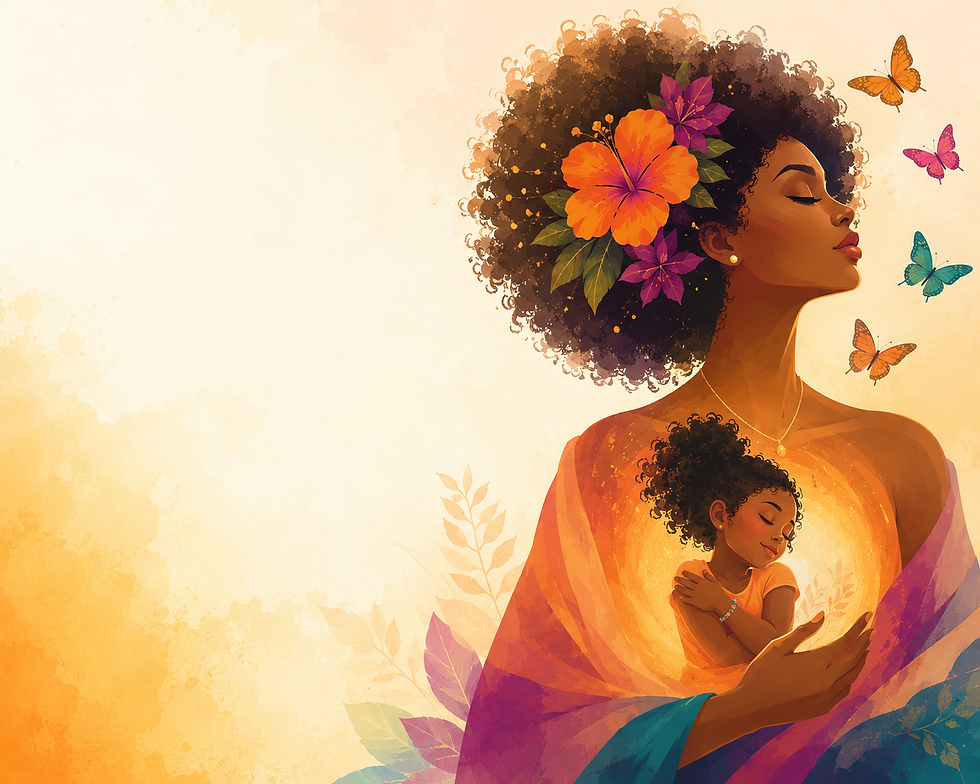
May you become your own protector, your own witness.
May you find safety within and around you.
May your story no longer be ruled by abandonment and void.
May you become the parent your inner child still dreams of.May you live loved, even if he never said the words.
And may you give yourself the grace of the both/and—to grieve what never was,to honor what you've survived,and to give thanks for who you are becoming.
Journal Prompt
What did I need from my father that I never received?And how can I begin giving that to myself now?
Call to Action
If this reflection resonated with you, share it with someone silently carrying the weight of a missing father.
Share the journal prompt if it feels right. Speak your truth. Be the beginning of your own healing.
Join us on Instagram @LiveWellLiveWhole and let us know in the LW2 community what resonated for you.
You are not alone. And you are not unlovable.
This is your space to heal.
Warm regards,
Live Well Live Whole ™ ©2026
"because this life is your one life to make your best life


Comments